If your AC is blowing warm air, it’s a sign that something’s wrong. This issue could stem from various factors, like a dirty air filter or a faulty thermostat. Ignoring it can lead to higher energy bills and potential system damage. To pinpoint the exact cause, you’ll need to assess a few key components. Understanding these factors is essential for restoring your home’s comfort. What should you check first?
Understanding Your AC System
When your air conditioning (AC) system isn’t performing as expected, understanding its components can help you troubleshoot the issue effectively. Your AC comprises several key parts: the compressor, condenser, evaporator coil, and expansion valve. The compressor circulates refrigerant, while the condenser releases heat outside. The evaporator coil absorbs heat from your home, and the expansion valve regulates refrigerant flow. Each component plays a crucial role in cooling your space. If one part malfunctions, it can disrupt the entire system. Familiarizing yourself with these components allows you to identify potential problems, such as refrigerant leaks or compressor failures. By understanding your AC system, you’ll be better equipped to address issues and maintain peak performance for the comfort of those you serve.
Dirty Air Filters
Although dirty air filters seem minor, they can significantly impact your AC’s efficiency and performance. When filters are clogged with dust and debris, airflow is restricted, causing your system to overwork. This leads to higher energy bills and can result in inadequate cooling. You may notice your AC blowing warm air as a direct consequence. Regularly checking and replacing air filters is essential for maintaining peak performance. You should replace filters every 1-3 months, especially during peak usage seasons. Ensuring your filters are clean contributes to a healthier indoor environment and extends your AC’s lifespan, ultimately serving your comfort and energy efficiency needs.
Refrigerant Leaks
Have you noticed your AC struggling to cool your home effectively? One common culprit could be a refrigerant leak. Refrigerant is vital for absorbing heat from indoor air; when it leaks, your system can’t perform at its best. You might notice inconsistent cooling or higher energy bills as your unit works harder to compensate.
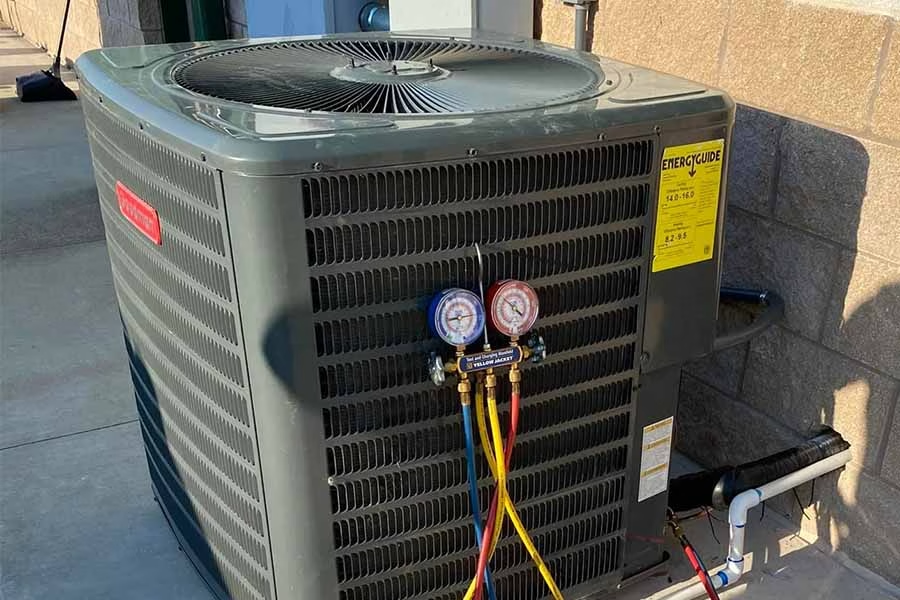
To diagnose a refrigerant leak, look for signs such as hissing sounds or ice buildup on the evaporator coil. If you suspect a leak, contact a qualified technician. They can locate and repair the leak, then recharge your system with the correct amount of refrigerant. Timely intervention restores your AC’s efficiency and protects the environment from harmful emissions.
Faulty Thermostat
Could your thermostat be the reason your AC is blowing warm air? If your thermostat is malfunctioning, it may not accurately read the room temperature or communicate effectively with your HVAC system. This miscommunication can prevent your AC from cooling properly, resulting in warm air circulating through your space. Check for common issues, like dead batteries or incorrect settings. Confirm the thermostat is set to “cool” and that the desired temperature is lower than the current temperature. If it’s a programmable model, verify that the schedule hasn’t been altered inadvertently. If you suspect a more significant problem, consider consulting a professional technician to diagnose and repair the thermostat, guaranteeing efficient cooling and comfort in your home.
Blocked Condenser Unit
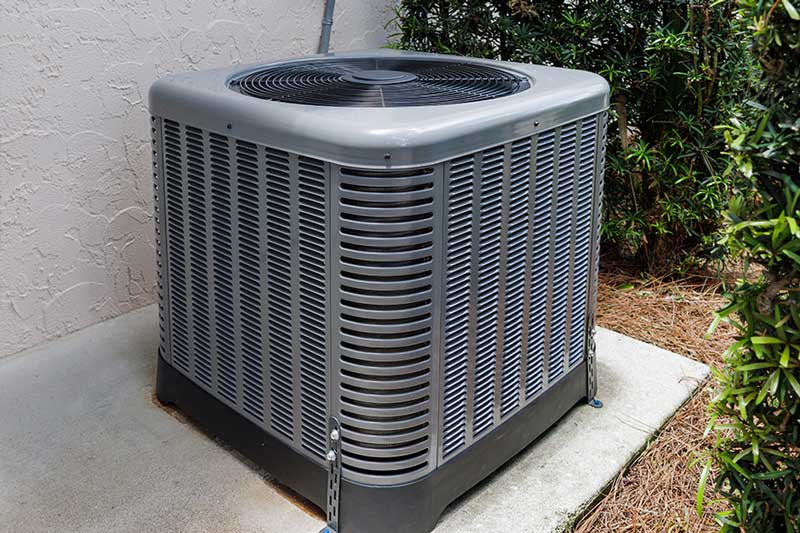
If the condenser unit is blocked, your AC won’t cool efficiently, blowing warm air through your vents. This blockage can occur due to debris like leaves, dirt, or grass clippings. When airflow is restricted, the condenser can’t release heat effectively, causing the system to overheat and reducing its cooling capacity. Regularly inspect and clean the area around the condenser unit to prevent blockages. Ensure at least two feet of clearance around the unit for ideal airflow. If you’ve cleared the debris and are still experiencing issues, it might be time to consult a professional. Addressing a blocked condenser unit promptly can restore your AC’s efficiency and ensure a comfortable environment for those you serve.
Electrical Issues
Electrical issues in your air conditioning system can disrupt its ability to cool your home effectively. Common problems include blown fuses, tripped circuit breakers, or faulty wiring. These issues can prevent your AC unit from receiving the necessary power to function. Check the circuit breaker if your system isn’t cooling; resetting it might resolve the issue. Next, inspect the fuses for any signs of damage. If these steps don’t fix the problem, you may have a more complex electrical failure. In such cases, it’s best to consult a professional technician. Addressing electrical issues promptly guarantees your AC system operates efficiently and maintains a comfortable environment in your home.
Ductwork Problems
Electrical issues aren’t the only culprits behind your AC blowing warm air; ductwork problems can also significantly impact your system’s performance. If your ducts are leaking or improperly sealed, conditioned air may escape before reaching your living spaces. This not only reduces efficiency but also increases energy costs. Additionally, blockages from dust and debris can restrict airflow, leading to uneven cooling throughout your home. Inspect your ductwork for visible damage or signs of wear to guarantee peak performance. Regular maintenance, including cleaning and sealing, can enhance airflow and improve system efficiency. Addressing these ductwork issues can help your AC function effectively, guaranteeing a comfortable environment for everyone in your home.
Compressor Failures
Although your air conditioning unit may seem operational, compressor failures can lead to warm air blowing through your vents. The compressor is essential for circulating refrigerant and maintaining the desired indoor temperature. If it malfunctions, it can disrupt the cooling cycle, resulting in inadequate cooling.
Consider these common signs of compressor issues:
- Unusual noises: Clanking or grinding sounds can indicate internal damage.
- Overheating: If the compressor feels excessively hot, it may struggle to perform.
- Frequent cycling: Constantly turning on and off can signify a failing compressor.
Addressing these symptoms promptly can help you avoid costly repairs and guarantee your AC functions efficiently, keeping your environment comfortable for those you serve.
Improper Installation
If your AC blows warm air, improper installation might be the culprit. When your unit isn’t correctly installed, several issues can arise. For instance, inadequate sealing around ducts can lead to air leaks, allowing warm air to infiltrate the system. Additionally, if the refrigerant lines are improperly connected, it can hinder the cooling process. A unit that’s not level may also struggle to operate efficiently, contributing to warm air output. Moreover, an incorrect placement of the indoor and outdoor units can disrupt airflow and performance. Ensuring a qualified technician installs your AC is vital to avoid these problems and maintain ideal cooling efficiency. Regular checks after installation can also help identify potential issues early.
Regular Maintenance Tips
Improper installation can lead to significant issues, but regular maintenance is key to keeping your AC running smoothly and effectively. By prioritizing maintenance, you extend your system’s lifespan and improve energy efficiency and indoor air quality.
Here are some essential tips:
- Change or clean filters regularly: Clogged filters restrict airflow and reduce efficiency. Aim to check them monthly and replace or clean as needed.
- Inspect ducts and vents: Confirm they’re free of blockages and leaks to maintain ideal airflow throughout your space.
- Schedule annual professional inspections: Technicians can identify potential problems early and perform necessary adjustments to keep your system operating at peak performance.
Adopting these practices guarantees your AC serves you well, providing comfort when you need it most.
Conclusion
If your AC is blowing warm air, it’s essential to identify the underlying issue quickly. By checking the thermostat, cleaning or replacing dirty air filters, and guaranteeing proper airflow, you can often resolve the problem. Don’t overlook potential refrigerant leaks or compressor failures, as these require professional help. Regular maintenance can prevent future issues and keep your system running efficiently. Taking prompt action secures comfort and can save you money on energy bills.
Frequently Asked Questions
How Can I Tell if My AC Is Low on Refrigerant?
Check for inconsistent cooling, ice buildup on coils, or hissing sounds to determine if your AC is low on refrigerant. If you notice these signs, it’s best to consult a professional for a thorough inspection.
What Are Signs of a Failing Compressor?
Unusual noises, inconsistent cooling, and frequent cycling are signs of a failing compressor. If you notice any of these symptoms, addressing them promptly is crucial to prevent further damage and guarantee efficient operation.
Can I Fix My AC Unit Myself?
You can tackle AC repairs, like checking the air filter or clearing debris. However, complex issues, especially refrigerant or electrical components, often require professional expertise to guarantee safety and proper functionality.
How Often Should I Replace My Air Filters?
Depending on usage and filter type, you should replace your air filters every 1 to 3 months. Regular replacements improve air quality, enhance system efficiency, and extend the lifespan of your HVAC unit.
What Temperature Should My Thermostat Be Set At?
For ideal comfort and efficiency, set your thermostat between 72°F and 78°F. Adjust based on personal preferences and seasonal changes to ensure your system operates effectively while minimizing energy costs.