Electrical fires are among the most preventable causes of serious home damage, and the warning signs are almost always present well before a fire occurs. In Weatherford, TX, where a mix of older homes near the historic downtown square and newer construction throughout Parker County creates a wide range of electrical system ages and conditions, knowing what those warning signs look like is genuinely important.
The seven indicators below represent the patterns our team sees most consistently in homes where wiring has become a safety concern. None of them should be dismissed as a minor inconvenience.
Flickering or Dimming Lights
Lights that flicker or dim intermittently indicate instability in the electrical circuit supplying them. The cause may be a loose connection at the fixture, a failing switch, a wiring fault somewhere along the circuit, or a panel that is no longer handling load distribution reliably.
What these symptoms share is that they reflect an interruption in current flow, and such interruptions generate heat at the point of resistance. Heat in the wrong place inside a wall or junction box is how electrical fires start. A professional inspection by a licensed electrician is the appropriate response when flickering or dimming is consistent or affects multiple fixtures.
Frequent Circuit Breaker Trips
A circuit breaker that trips occasionally under a genuine overload is doing its job correctly. A circuit breaker that trips repeatedly under normal household use is telling a different story, one that warrants a professional assessment rather than repeated resets.
Frequent tripping typically points to one of three underlying conditions:
- Sustained overload: The circuit is regularly asked to carry more current than it was designed for, which may indicate the home’s electrical distribution needs to be updated to reflect current usage patterns.
- Wiring fault: A short circuit or ground fault somewhere in the wiring is causing the breaker to respond protectively. This type of fault generates heat and can ignite surrounding materials if the circuit protection fails.
- Aging or failing breaker: Breakers have a service life, and older breakers may trip at lower loads than their rating or fail to trip when they should. Both conditions create risk.
In our service calls throughout Weatherford, homes where residents have learned to live with frequent breaker trips are among the situations where we find the most significant underlying electrical concerns.
Burning Smells
A burning smell with no obvious source is an electrical emergency until proven otherwise. The odor typically indicates that insulation on wiring is being degraded by heat, that arcing is occurring at a connection point, or that a device or outlet is drawing more current than it can safely handle.
Common sources include:
- Frayed or damaged wiring creates resistance and heat buildup
- Overloaded circuits where accumulated heat is affecting the wire insulation
- Loose connections that cause arcing, which produces both heat and a burning odor
- Malfunctioning appliances drawing excessive current from an outlet
If a burning smell is detected, the appropriate steps are to identify whether it is coming from a specific appliance or outlet, turn off power to the affected area at the breaker, and contact a licensed electrician. This is not a situation where waiting to see if the smell goes away is an acceptable response.
Discolored Outlets and Switches
Yellow, brown, or black discoloration around an outlet cover or switch plate is physical evidence of heat damage. The discoloration may result from arcing at a loose connection, overheating from a circuit that is consistently overloaded, or deteriorating wiring that is generating heat within the wall.
Based on what we see in Weatherford properties, discolored outlets are often found in older homes where the original wiring has never been updated, and circuits have been asked to support loads well beyond their original design. The outlet showing visible discoloration is rarely the only problem in the system; it is usually the most visible symptom of a broader wiring concern.
Any discolored outlet should be treated as out of service until it has been inspected and cleared by a licensed electrician. Continuing to use it while the underlying cause remains unaddressed creates ongoing risk.
Warm or Hot Outlets
An outlet that feels warm or hot to the touch is not operating normally. Outlets are designed to carry current without generating perceptible surface heat. When heat is present, it indicates a problem at or behind the outlet itself.
Contributing factors commonly identified during inspection include:
- Loose wiring connections at the outlet terminals cause arcing and heat generation
- Outlets that are not rated for the load being drawn through them
- Wiring behind the outlet that has deteriorated or is improperly connected
- Overloaded circuits where heat accumulates throughout the run
Warm outlets are frequently accompanied by other symptoms such as flickering lights, burning odors, or discoloration. Whether they appear in isolation or alongside other signs, they require professional evaluation before the outlet is used further.
Frayed or Exposed Wiring
Wiring with damaged insulation, whether from physical wear, pest damage, age-related deterioration, or improper installation, represents direct exposure risk. Insulation serves a critical function: it prevents current from flowing where it should not. When insulation is compromised, the current can arc to nearby conductive or combustible materials.
This type of damage is found most often in areas where wiring is subject to movement, abrasion, or environmental exposure, including attics, crawl spaces, areas around HVAC equipment, and locations where wiring runs through framing without adequate protection.
Frayed or exposed wiring is not a situation where a temporary fix is appropriate. Our residential electrician team handles wiring assessments and repairs with the proper materials and code-compliant methods to ensure repairs are lasting rather than provisional.
Outdated Wiring Materials or Systems
Some wiring concerns are not about a single failing component but about an entire system that has aged beyond its reliable service life, or that was installed with materials now understood to carry elevated risk.
Specific situations that warrant a professional evaluation include:
- Aluminum branch circuit wiring, which was installed in many homes built in the 1960s and 1970s, is associated with connection failures and fire risk when not properly terminated
- Cloth-covered or knob-and-tube wiring, which lacks grounding and has insulation that degrades with age
- Two-prong ungrounded outlets throughout the home indicate a wiring system that predates modern grounding requirements
- Panels and wiring that have not been inspected or updated in 20 years or more
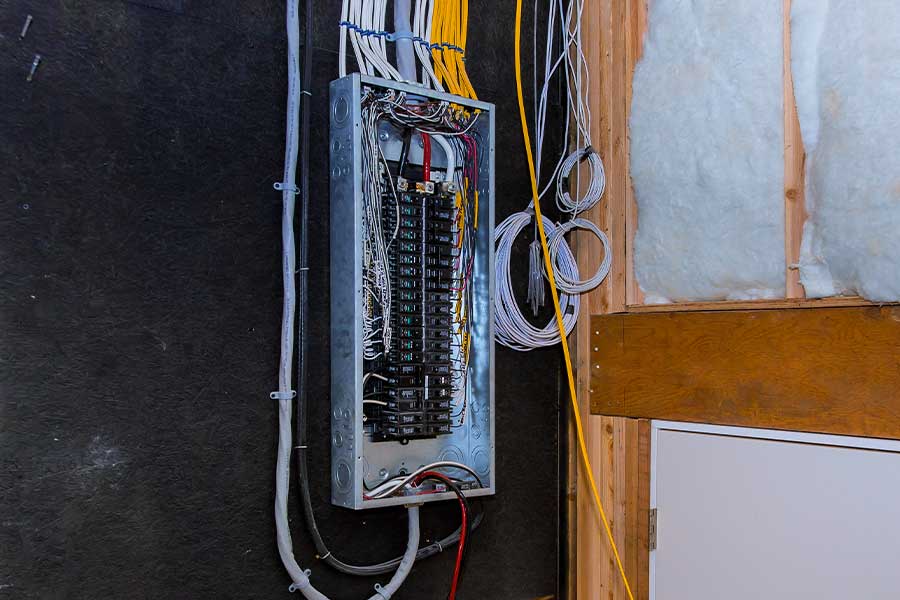
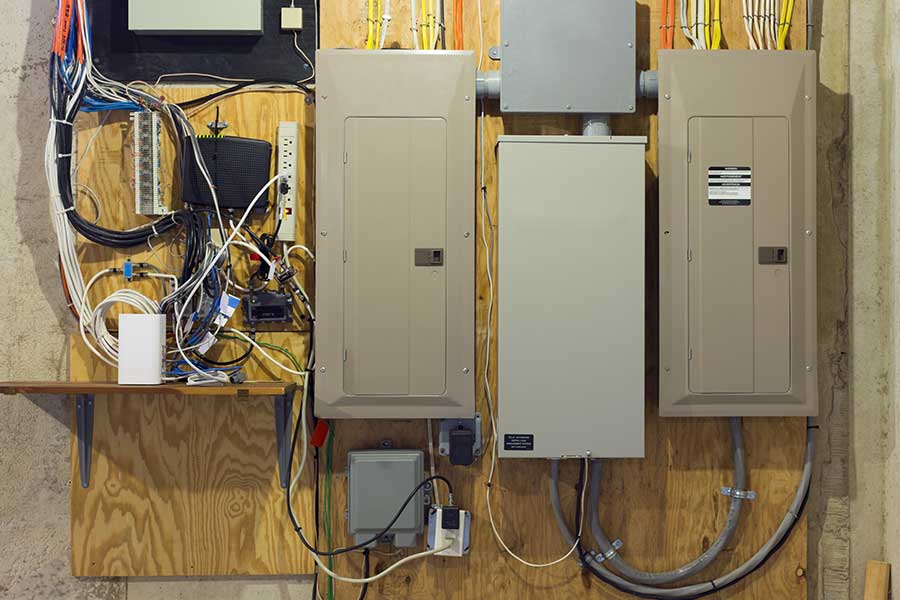
Working in homes across Weatherford and Parker County, older properties with these conditions are not uncommon. An honest assessment of what is present and what risk it represents is the starting point for making informed decisions about whether and how to update the system. Our electrical panel services include straightforward evaluations.
When Multiple Signs Are Present
Any one of these warning signs is reason enough to schedule an inspection. When two or more are present in the same home, the urgency increases. Electrical problems that have progressed to the point of producing visible or sensory symptoms have typically been developing for some time, and the risk does not diminish while the evaluation is deferred.
Homeowners who have recently added devices or appliances should also consider whether their current wiring and panel configuration can safely support the increased load. Our electrical outlet installation service addresses situations where the home needs additional circuits or outlets installed properly to meet current demand without overloading existing infrastructure.
Protecting Your Weatherford Home’s Electrical Safety
Electrical fire risk is real, but it is also highly manageable when the warning signs are taken seriously and addressed by qualified professionals. The homes that face the greatest risk are those where symptoms have been present for some time but normalized into the background of daily life.
At Hart HVAC and Electric, our licensed electricians serve homeowners throughout Weatherford and Parker County with honest assessments, clear recommendations, and quality workmanship. We explain what we find, what it means, and the options, without pressure or unnecessary upsells.
If any of these warning signs sound familiar, contact our team today to schedule an electrical inspection.