
Most homeowners in Weatherford, TX, do not think about their electrical system until something goes wrong. A breaker trips, a light flickers, an outlet stops working. By that point, the issue has usually been developing for some time. An electrical inspection changes that dynamic by surfacing problems before they produce visible symptoms, failed equipment, or worse.
Weatherford homes span a wide range of construction eras, from older properties near the downtown historic district to newer builds spreading out along FM 51 and beyond. Each brings its own electrical history, and what an inspection uncovers varies considerably depending on the age and condition of the system. Our residential electrician team conducts these inspections to give homeowners a clear, honest picture of where their system stands.
What Does a Home Electrical Inspection Involve?
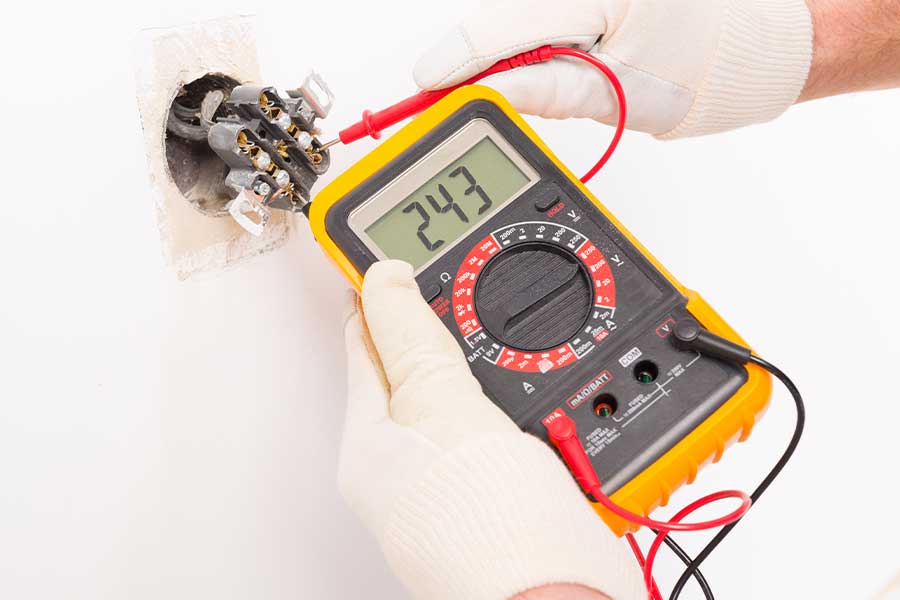
A professional electrical inspection is a systematic evaluation of all major components of a home’s electrical system. It is not a visual scan. A thorough inspection covers the full chain from where power enters the home to where it is used throughout the space.
The key areas evaluated include:
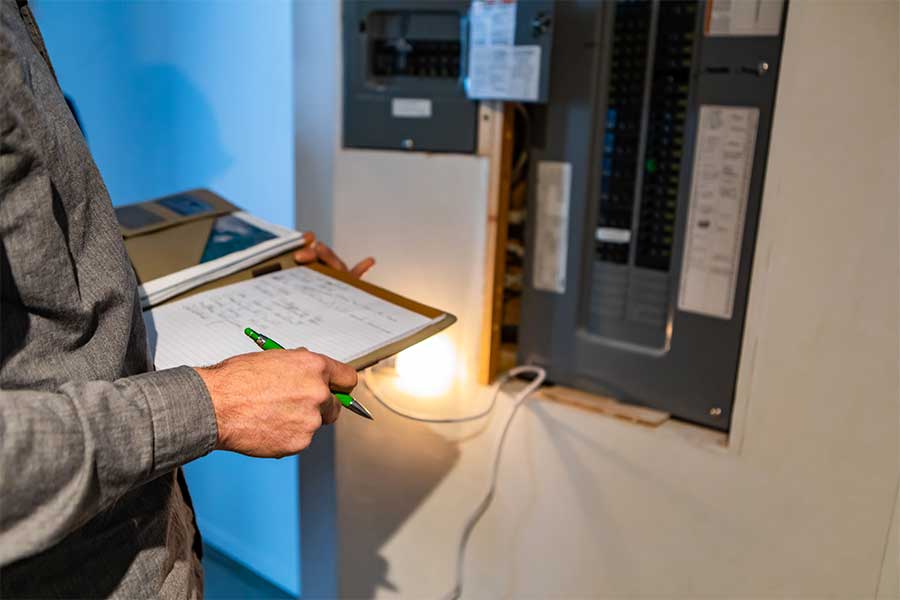
- Main service panel: Condition, capacity, code compliance, signs of overheating, corrosion, or improper wiring practices at the breaker connections
- Branch circuit wiring: Type, age, insulation condition, and presence of any known problem materials such as aluminum branch circuit wiring or cloth-covered conductors
- Grounding and bonding: Whether the system is properly grounded throughout, which is particularly important in older Weatherford homes that predate current grounding requirements
- Outlets and switches: Proper function, correct polarity, grounding continuity, and presence of GFCI protection in required locations such as kitchens, bathrooms, garages, and exterior areas
- Fixtures and connections: Junction box condition, secure connections, and proper installation practices
- Smoke and carbon monoxide detectors: Placement, function, and battery status
Throughout the inspection, a licensed electrician documents findings systematically. The homeowner is kept informed of what is being evaluated and why, so the final report reflects findings they already understand in context.
Common Electrical Issues Found During Inspections
Working in homes across Weatherford and Parker County, the same issues appear regularly. Understanding what is commonly found helps homeowners recognize why a proactive inspection has value even when the system appears to be functioning normally.
Outdated wiring materials: Homes built before the 1980s often use wiring types no longer considered acceptable under current codes. Aluminum branch circuit wiring, knob-and-tube systems, and cloth-insulated wiring all present elevated risk profiles that modern installation practices have replaced with safer alternatives.
Overloaded circuits: As households add devices, appliances, and home office equipment over time, the original circuit layout often cannot safely accommodate the increased load. Circuits that were adequate for the home as originally used may be chronically overloaded under current conditions.
Improper or missing grounding: Grounding provides a safe path for fault current and is essential for both equipment protection and personal safety. Older homes frequently lack grounding at outlets, and improper grounding practices in modified systems are a consistent finding during inspection.
Faulty outlets and switches: Loose connections, worn contacts, and improperly installed devices create resistance and heat at the connection point. Outlets and switches that receive heavy daily use are among the first places where connection quality degrades.
Panel deficiencies: Panels that have been modified, overloaded, or simply reached the end of their reliable service life are common findings. Our electrical panel services address the full range of panel-related issues identified by inspections.
Safety Hazards an Inspection Can Uncover
Beyond the common findings above, inspections sometimes reveal conditions that represent more immediate safety concerns. These are the findings that make a proactive inspection genuinely valuable rather than simply informative.
- Frayed or damaged wiring insulation: Exposed conductors in walls, attics, or around HVAC equipment create direct shock and fire risk. This type of damage is often invisible in living spaces, which is why inspecting accessible areas is part of a thorough evaluation.
- Overloaded circuits with no fault protection: A circuit that is consistently overloaded without proper breaker protection is a heat source inside the wall. Heat accumulation in wall cavities is a documented ignition pathway for electrical fires.
- Improperly grounded outlets in wet locations, such as kitchens, bathrooms, garages, and outdoor areas, require GFCI protection. Missing GFCI devices in these locations represent a shock hazard that is inexpensive to correct but genuinely dangerous to leave in place.
- Outdated systems without modern safety features: Older electrical systems installed before current safety standards were established may lack arc-fault protection, proper grounding, and other features that reduce fire and shock risks in modern homes.
How an Electrical Inspection Can Save You Money
The financial case for a proactive inspection is straightforward. Problems that are caught and corrected at an early stage consistently cost less to address than the same problems discovered after they have caused damage or equipment failure.
The cost differential is significant in several scenarios. Wiring that is identified as degraded and replaced proactively costs far less than the same wiring discovered after it has caused a fire or shorted out expensive equipment. A panel deficiency identified during inspection and corrected is a planned expense. The same deficiency discovered during a home sale negotiation or after a failure is an urgent, unplanned one.
Beyond repair cost avoidance, electrical inspections frequently identify inefficiencies that affect monthly utility costs. Circuits drawing more power than necessary due to wiring resistance or connection problems, and systems operating without proper load balancing, both contribute to energy waste that a well-maintained system does not produce.
For homeowners considering adding high-demand equipment such as an EV charger, home office infrastructure, or additional HVAC capacity, an inspection before the addition confirms whether the existing system can safely support it or whether upgrades are needed first. Our EV charger installation process includes an upfront assessment of exactly this kind.
What to Expect After Your Inspection
A professional electrical inspection concludes with a written report that documents findings clearly and provides a practical basis for decision-making. At Hart HVAC and Electric, the post-inspection report includes:
- A findings summary covering any code violations, safety concerns, and areas that fall outside current best practices, organized by priority
- Specific recommendations for repairs, upgrades, or monitoring, with clear explanations of what each recommendation addresses and why it matters
- Transparent cost estimates for any work recommended so that homeowners can evaluate options and budget accordingly without surprises
- Discussion of timelines and next steps, distinguishing between items that require immediate attention and those that can be addressed on a planned schedule
The goal is not to produce an alarming document or to generate unnecessary work. It is to give the homeowner an accurate picture of their system so they can make informed decisions about their home.
Keeping Your Weatherford Home’s Electrical System in Good Standing
An electrical inspection is one of the more straightforward investments a homeowner can make in the long-term safety and reliability of their property. The alternative, waiting until symptoms appear or problems escalate, consistently produces worse outcomes at a higher cost.
At Hart HVAC and Electric, our licensed electricians bring the field experience and honest approach that Weatherford homeowners deserve. We explain what we find, provide clear recommendations, and respect the homeowner’s role in deciding how to respond. There are no inflated findings and no pressure tactics, just accurate information and quality workmanship when the work is needed.
To schedule an inspection or discuss your home’s electrical system, contact our team today.