A frozen AC unit in the middle of a Cypress, TX summer is more than an inconvenience. When temperatures push deep into the 90s and humidity climbs throughout Harris County, an icing-over system cannot do its job. The underlying cause rarely resolves on its own without professional attention.
Understanding why AC units freeze, how to recognize them early, and what the appropriate response is can help homeowners avoid costly repairs and extended downtime during the months when cooling is most critical. Our AC repair services regularly address causes of freeze-ups, and the patterns we see are consistent across the region.
Common Causes of AC Freezing in Cypress, TX
AC units freeze when something disrupts the balance between refrigerant pressure, airflow, and heat exchange across the evaporator coil. In Cypress homes, the most frequent contributing factors include:
Restricted airflow from dirty or blocked filters: When air cannot move freely across the evaporator coil, the coil temperature drops below freezing, and ice begins to form. This is the most common cause of freeze-ups and one of the most preventable.
Low refrigerant levels: Low refrigerant levels due to a leak cause pressure to drop inside the system. As pressure falls, the temperature at the evaporator coil often drops well below the threshold for rapid ice accumulation.
Duct leaks or insulation problems: Compromised ductwork allows warm, humid air to enter the system in unintended ways, forcing the unit to work harder and creating conditions that contribute to icing.
Thermostat malfunctions: A thermostat that is not operating correctly can cause the system to run continuously without cycling off, driving coil temperatures down until freezing occurs.
In our service calls throughout Cypress and the surrounding communities, these four causes account for the majority of freeze-up situations we respond to. Regular AC maintenance is the most reliable way to catch these conditions before they progress to a full freeze.
Signs Your AC Unit Is Frozen
Catching a freeze-up early limits the damage and shortens the recovery time. The following signs indicate a system that may be icing over or already frozen:
- Reduced or warm airflow from vents: A system with significant ice buildup on the coil cannot transfer cold air effectively. Rooms that should be cooling feel warm even though the system is running.
- Visible ice or frost on refrigerant lines or the indoor unit: Ice accumulation on the copper lines running to the air handler or on the coil housing itself is a direct indicator.
- Unusual sounds from the system: Bubbling, hissing, or gurgling noises can point to a refrigerant issue that is contributing to freezing.
- Elevated indoor humidity: A frozen coil loses its dehumidification capacity. If the home suddenly feels more humid despite the AC running, the coil may be compromised.
- Continuous operation without reaching set temperature: A system that runs without cycling off and never achieves the thermostat target is often fighting a restriction or pressure problem that leads to icing.
What to Do When Your AC Freezes Up
When a freeze-up is suspected or confirmed, there are a few immediate steps homeowners can take before a technician arrives.
The first and most important step is to turn the system off or switch it to fan-only mode. Running a frozen compressor puts serious strain on the equipment and can cause compressor damage that far exceeds the cost of the original freeze-up repair. Allowing the ice to thaw completely, which typically takes several hours, is necessary before any meaningful diagnosis can happen.
While waiting for the system to thaw, checking the air filter is worthwhile. A heavily clogged filter is sometimes the sole cause of a freeze-up, and replacing it before the technician arrives gives a clearer picture of the system’s condition once it restarts.
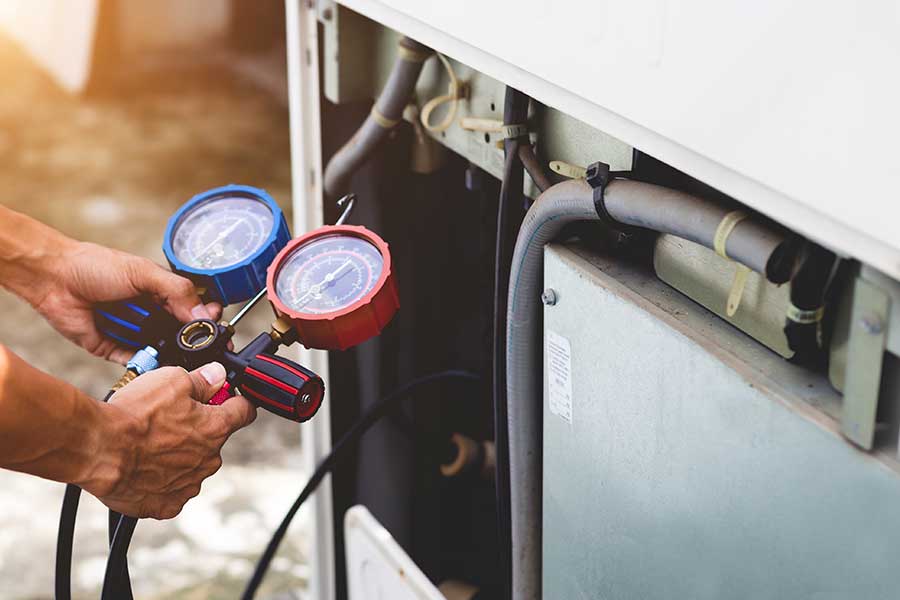
Beyond these steps, diagnosing refrigerant levels, inspecting coil condition, and evaluating ductwork integrity are tasks for a licensed technician. Refrigerant handling in particular requires EPA certification and proper equipment. Attempting to assess or address refrigerant issues without professional training creates safety risks and can void equipment warranties.
When to Call a Professional
Some situations call for professional attention right away rather than any attempt at troubleshooting:
- The system freezes up repeatedly after thawing and restarting
- Unusual sounds such as banging, hissing, or gurgling persist after the ice clears
- Water is pooling around the indoor unit, which can indicate drainage problems compounding the freeze-up
- The system runs, but cannot reach the set temperature after filter replacement and a full thaw cycle
- There is any visible damage to refrigerant lines, coil housing, or electrical components
Recurring freeze-ups in particular are a signal that something in the system requires proper diagnosis. Each freeze-thaw cycle adds stress to the compressor and associated components, and the cumulative effect can significantly shorten equipment life if the root cause goes unaddressed.
If the current system has a history of recurring freeze issues and is approaching the end of its service life, an honest conversation about AC installation and replacement may be more cost-effective than continued repairs on aging equipment.
Preventive Measures to Avoid AC Freezing
The conditions that lead to freeze-ups are largely preventable with consistent attention to a few maintenance fundamentals:
- Filter replacement on a regular schedule: Filters should be checked monthly during heavy-use periods and replaced before restriction becomes significant. This single step prevents the most common cause of freeze-ups.
- Annual professional maintenance: A thorough inspection before the cooling season includes verifying refrigerant levels, cleaning coils, performing electrical checks, and assessing airflow, all of which directly reduce freeze risk.
- Ductwork integrity: Leaky or poorly insulated ducts affect system performance in multiple ways. Periodically evaluating the ductwork helps maintain the airflow conditions the system was designed to operate in.
- Consistent thermostat settings: Dramatic temperature drops set on the thermostat, particularly overnight, can push the system toward conditions that promote icing. Keeping settings reasonable and consistent reduces that risk.
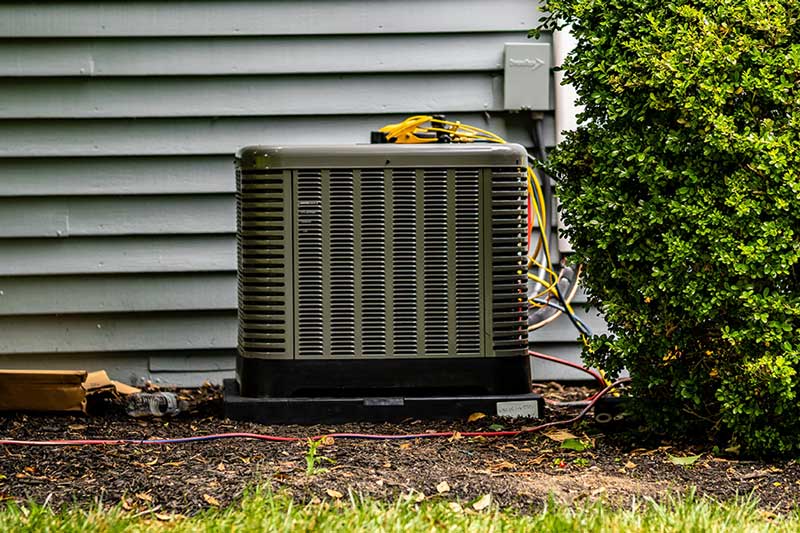
- Keeping the outdoor unit clear: Debris, vegetation, and restricted clearance around the condenser unit reduce airflow through the system, exacerbating pressure and temperature imbalances that contribute to freezing.
Keeping Your Cypress Home Cool All Summer
A frozen AC unit is a solvable problem, but it also signals that the system needs attention. Addressing the root cause rather than simply thawing and restarting prevents the same issue from recurring throughout the rest of a Cypress summer.
At Hart HVAC and Electric, our technicians are familiar with the demands that Harris County heat and humidity place on residential cooling systems. We provide honest assessments, clear explanations, and repairs that address the actual cause of the problem rather than masking it.
If your system has frozen up or you want a professional evaluation before the peak of summer, schedule your AC service today and let our team get your home back to comfort.