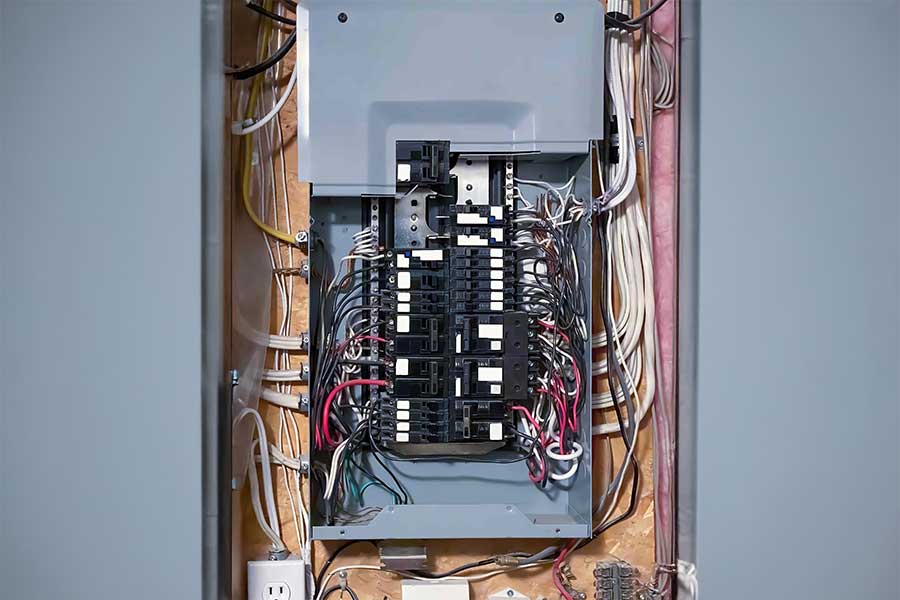
Weatherford homes tell a story through their electrical systems. Older properties near the historic downtown square, mid-century builds spread across Parker County, and newer construction along the city’s expanding edges all have different electrical histories. What they share is a common challenge: as modern households add more devices, appliances, and HVAC equipment, aging or undersized electrical panels struggle to keep up.
The warning signs are often gradual enough that homeowners adapt around them rather than address them. That is where real risk develops. Our electrical panel services are designed to catch these issues before they become emergencies, and knowing what to look for is the first step.
Frequent Circuit Breaker Trips
A circuit breaker tripping occasionally is normal. It is doing exactly what it was designed to do: interrupt the flow of electricity when a circuit is overloaded to prevent overheating and potential fire. The concern arises when tripping becomes a recurring pattern rather than an isolated event.
When breakers reset multiple times a week, or when the same circuits trip consistently during normal household use, that pattern points to a panel that can no longer meet current electrical demand. The circuit protection is working, but the underlying capacity issue persists whenever the breaker is reset.
During our service calls throughout Weatherford, frequent breaker trips are among the most common reasons homeowners contact us for a panel assessment. The solution is rarely just resetting the breaker.
Dimming or Flickering Lights
Lights that dim or flicker when appliances cycle indicate a voltage fluctuation that should not occur in a properly functioning electrical system. The issue may be localized to a specific circuit or reflect a broader capacity problem at the panel level.
Specific patterns worth paying attention to include:
- Multiple lights flickering simultaneously pointed toward an overloaded circuit rather than a single failing fixture
- Noticeable dimming when large appliances activate, such as when a refrigerator compressor, HVAC system, or microwave draws its startup current
- Panels that are 20 or more years old, which frequently lack the capacity to handle the electrical load of a modern Weatherford home
- Unusually frequent bulb burnouts, which can result from voltage instability rather than bulb quality
Each of these patterns warrants evaluation by a licensed electrician. The root cause is not always the panel itself, but a panel assessment is the right starting point.
Overheating, Burnt Smells, or Visible Damage
Any indication of heat where it should not be is a situation requiring immediate professional attention. Electrical overheating does not resolve on its own, and the consequences of ignoring it range from equipment damage to electrical fires.
Warning signs that demand prompt action include:
- Burnt or acrid smells near the electrical panel, outlets, or switches
- Discoloration, charring, or scorch marks on outlet covers or panel surfaces
- Outlets or switch plates that feel warm or hot to the touch
- Any visible melting around wiring, connection points, or the panel enclosure
Working in homes across Weatherford and Parker County, these signs almost always indicate a system that has been operating under sustained stress for an extended period. By the time visible damage is present, the underlying problem is well established. A professional inspection is the only appropriate response.
Reliance on Extension Cords and Power Strips
Extension cords and power strips are convenience items. When they become permanent fixtures in a home because there are simply not enough outlets to meet daily needs, they signal an electrical system that has not kept pace with how the space is actually used.
The safety concern is real. Overloaded power strips and daisy-chained extension cords are a documented cause of residential electrical fires. Beyond safety, consistent reliance on them is a practical indicator that the home’s circuits and panel capacity need to be reassessed.
Common patterns that point toward a needed upgrade:
- Overloaded circuits tripping when several devices are in use simultaneously
- Extension cords running through high-traffic areas or under rugs as semi-permanent solutions
- The lights dim when major appliances are switched on
- Recently added high-demand equipment, such as HVAC systems, EV chargers, or home theater setups, is straining existing circuits.
Our residential electrician team regularly helps Weatherford homeowners assess whether additional circuits, outlet installations, or a panel upgrade is the right approach for their specific situation.
Outdated or Non-Compliant Panel
Not all panels age gracefully. Some were adequate for the demands of the era in which they were installed, but were never designed to handle the electrical loads modern homes place on them. Others carry known design deficiencies that have led to widespread safety recalls and code compliance concerns.
Signs that a panel may be outdated or non-compliant include:
- Fuse-based panels rather than circuit breakers, which are generally no longer code-compliant for residential use
- Buzzing, humming, or crackling sounds coming from the panel
- Discolored or corroded wiring visible within the panel enclosure
- A panel that has not been evaluated or updated in 20 or more years
- Known problem brands that have been associated with fire hazards and insurance concerns
Based on what we see in Weatherford properties, older homes in established neighborhoods often have panels that have outlived their designed service life without ever receiving a formal inspection. An evaluation by a licensed electrician is the only reliable way to know where a specific panel stands.
Growing Power Demands from New Equipment
Every significant addition to a home’s electrical load is a stress test for the existing panel. HVAC upgrades, electric vehicle chargers, home office equipment, kitchen appliances, and smart home systems all draw power that older panels were never sized to accommodate.
Suppose you have recently added, or plan to add, high-demand equipment. A panel assessment before installation is the responsible approach. Our EV charger installation service is a practical example: a Level 2 charger requires a dedicated 240V circuit and sufficient panel capacity, and confirming that capacity upfront avoids complications during installation.
The same logic applies to ceiling fan installations, major appliance additions, and any renovation work that changes the home’s electrical profile. Matching the panel to the actual demand is not an upgrade for its own sake; it is the foundation that makes everything else work reliably.
Benefits of Upgrading Your Electrical Panel
A panel upgrade is not a cosmetic improvement. The practical benefits are measurable and directly tied to how the home functions day to day:
- Reduced fire risk: A properly sized, code-compliant panel eliminates the overheating and overload conditions that create electrical fire hazards.
- Improved efficiency: Modern panels handle electrical loads more efficiently, reducing energy waste and lowering utility costs over time.
- Expanded capacity: An upgraded panel supports additional circuits, new appliances, and future electrical additions without straining the system.
- Better resale position: Buyers and home inspectors pay attention to electrical panels. A modern, compliant panel removes a common point of concern in real estate transactions.
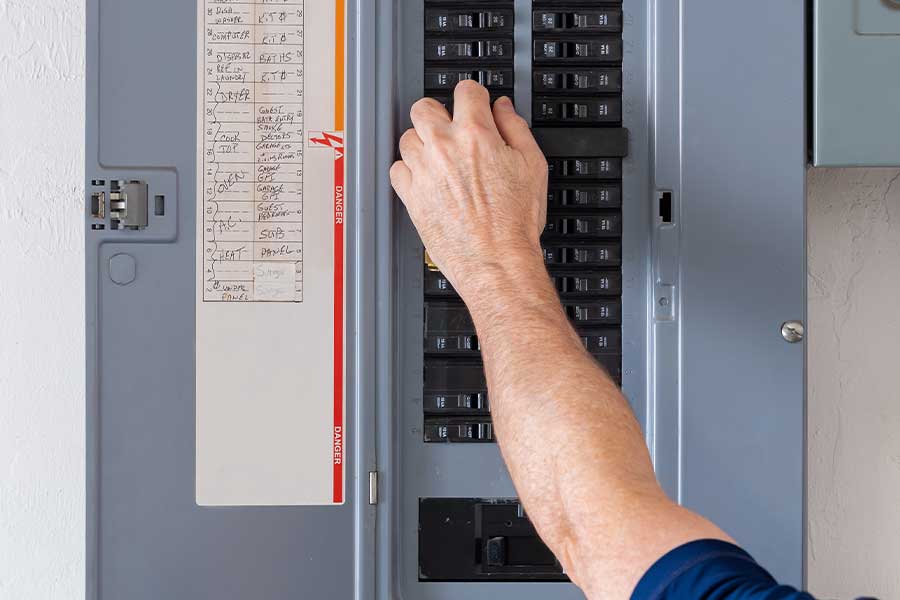
Protecting Your Weatherford Home’s Electrical System
The signs covered here share a common thread: they are manageable when caught early and significantly more complicated when deferred. A panel that occasionally trips a breaker today can become a panel with visible heat damage or a failed component if the underlying capacity issue is not addressed.
At Hart HVAC and Electric, our licensed electricians serve homeowners throughout Weatherford and the surrounding Parker County communities with honest assessments and straightforward recommendations. We do not recommend unnecessary work, nor do we minimize legitimate work. If you have noticed any of these warning signs in your home, contact our team today to schedule an electrical inspection.